


-
The deadly architecture of poverty
For millions of Africans, the design of a home now shapes the odds of survival. By Philip Mwangangi FOR...
-
The unseen erosion
Kenya is learning that climate displacement breaks spirits as well as livelihoods. Integrating mental health into disaster response is...
-
Cold chain on the road
Vaccine distribution exposes the limits of Kenya’s devolved health system — and the ingenuity of those working within it...
-
Employees need rest, but at what cost?
Kenyan and African firms experiment with wellbeing days as part of mental-health strategies, but their benefits remain limited By...
-
The price of harm: should Kenyan employers face stiffer fines for unsafe workplaces?
A legal framework exists, but enforcement remains thin and penalties weak By Josephat Njeru When a construction worker falls...
-
Clean water, healthy lives
How water and sanitation shape health in East Africa By Philip Mwangangi Somewhere in Turkana County, in Kenya’s arid...
-
Healing communities
Kenya’s experiment in digitised, community-led primary care is proving its worth. The harder question is who will pay for...
-
Africa’s malaria fight is losing ground, and money
A generation of hard-won progress faces reversal as aid dries up and cases plateau By Our Correspondent ADDIS ABABA...
-
Breaking the silence
Kenya’s campaign to dismantle mental health stigma faces formidable structural barriers By Our Staff Writer In January 2025, Kenya’s...
-
The pandemic dividend
Africa’s halting progress on disease preparedness exposes the gap between rhetoric and resources By Our Staff Writer In February...


The circular advantage

Why upcycling is Africa’s structural edge in global fashion By Ethical Business Team Africa has long occupied a particular position in the global fashion economy: receiver of the world’s discarded garments, supplier of raw cotton it rarely finishes, and largely absent from the value-added stages where margins are made....
Net zero by deed, not declaration

Radisson Hotel Group opens its first verified carbon-neutral hotels and sets out a roadmap that, it hopes, will force rivals to follow suit By Our Reporter BRUSSELS – THE HOSPITALITY industry has long excelled at making promises about the planet. Radisson Hotel Group is now trying something harder: keeping...

The circular advantage
Why upcycling is Africa’s structural edge in global fashion By Ethical Business Team Africa has long occupied a particular position in the global fashion economy: receiver of the world’s discarded garments, supplier of raw cotton it rarely finishes, and largely absent from the value-added stages where margins are made....
The harvest that never was

On-farm food loss is Africa’s most overlooked productivity problem. The fixes are cheaper than anyone admits. By Our Staff Writer IN A GOOD year, a smallholder maize farmer in western Kenya will tend her farm through two rainy seasons, apply fertiliser she may have borrowed money to buy, and...
Net zero by deed, not declaration
Radisson Hotel Group opens its first verified carbon-neutral hotels and sets out a roadmap that, it hopes, will force rivals to follow suit By Our Reporter BRUSSELS – THE HOSPITALITY industry has long excelled at making promises about the planet. Radisson Hotel Group is now trying something harder: keeping...
Dressed to burden

Africa bears the environmental cost of fast fashion’s unfinished business By Philip Mwangangi EVERY YEAR, roughly 185,000 tonnes of used clothing arrive at Kenyan ports. Much of it never reaches a body. Between 30 and 40 percent of mitumba, the Kiswahili term for second-hand clothing bales, is of such...

The cooking that kills
Kenya loses 27,000 people a year to household air pollution. Business and government have both the means and the...


The circular advantage
Why upcycling is Africa’s structural edge in global fashion By Ethical Business Team Africa has long occupied a particular position in the global fashion economy: receiver of the world’s discarded garments, supplier of raw cotton it rarely finishes, and largely absent from the value-added stages where margins are made....
Net zero by deed, not declaration
Radisson Hotel Group opens its first verified carbon-neutral hotels and sets out a roadmap that, it hopes, will force rivals to follow suit By Our Reporter BRUSSELS – THE HOSPITALITY industry has long excelled at making promises about the planet. Radisson Hotel Group is now trying something harder: keeping...

The harvest that never was
On-farm food loss is Africa’s most overlooked productivity problem. The fixes are cheaper than anyone admits. By Our Staff...

Wet logic, dry reality
Kenya’s experiment with sensor-driven irrigation tests whether technology can succeed where water policy has long failed By Cleophas Munene...





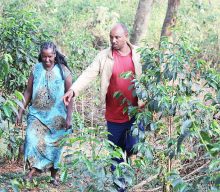
The cooking that kills
Kenya loses 27,000 people a year to household air pollution. Business and government have both the means and the...
The circular advantage
Why upcycling is Africa’s structural edge in global fashion By Ethical Business Team Africa has long occupied a particular position in the global fashion economy: receiver of the world’s discarded garments, supplier of raw cotton it rarely finishes, and largely absent from the value-added stages where margins are made....
The harvest that never was
On-farm food loss is Africa’s most overlooked productivity problem. The fixes are cheaper than anyone admits. By Our Staff Writer IN A GOOD year, a smallholder maize farmer in western Kenya will tend her farm through two rainy seasons, apply fertiliser she may have borrowed money to buy, and...
Net zero by deed, not declaration
Radisson Hotel Group opens its first verified carbon-neutral hotels and sets out a roadmap that, it hopes, will force rivals to follow suit By Our Reporter BRUSSELS – THE HOSPITALITY industry has long excelled at making promises about the planet. Radisson Hotel Group is now trying something harder: keeping...
Dressed to burden
Africa bears the environmental cost of fast fashion’s unfinished business By Philip Mwangangi EVERY YEAR, roughly 185,000 tonnes of used clothing arrive at Kenyan ports. Much of it never reaches a body. Between 30 and 40 percent of mitumba, the Kiswahili term for second-hand clothing bales, is of such...
Wet logic, dry reality

Kenya’s experiment with sensor-driven irrigation tests whether technology can succeed where water policy has long failed By Cleophas Munene Kenya’s agriculture remains exposed to rainfall volatility. Arid and semi-arid lands cover about 80 per cent of the country, and roughly 95 per cent of crops depend on rain-fed production....


The circular advantage
Why upcycling is Africa’s structural edge in global fashion By Ethical Business Team Africa has long occupied a particular position in the global fashion economy: receiver of the world’s discarded garments, supplier of raw cotton it rarely finishes, and largely absent from the value-added stages where margins are made....
The harvest that never was
On-farm food loss is Africa’s most overlooked productivity problem. The fixes are cheaper than anyone admits. By Our Staff Writer IN A GOOD year, a smallholder maize farmer in western Kenya will tend her farm through two rainy seasons, apply fertiliser she may have borrowed money to buy, and...
Net zero by deed, not declaration
Radisson Hotel Group opens its first verified carbon-neutral hotels and sets out a roadmap that, it hopes, will force rivals to follow suit By Our Reporter BRUSSELS – THE HOSPITALITY industry has long excelled at making promises about the planet. Radisson Hotel Group is now trying something harder: keeping...
The circular advantage
Why upcycling is Africa’s structural edge in global fashion By Ethical Business Team Africa has long occupied a particular position in the global fashion economy: receiver of the world’s discarded garments, supplier of raw cotton it rarely finishes, and largely absent from the value-added stages where margins are made....
Net zero by deed, not declaration
Radisson Hotel Group opens its first verified carbon-neutral hotels and sets out a roadmap that, it hopes, will force rivals to follow suit By Our Reporter BRUSSELS – THE HOSPITALITY industry has long excelled at making promises about the planet. Radisson Hotel Group is now trying something harder: keeping...
The deadly architecture of poverty

For millions of Africans, the design of a home now shapes the odds of survival. By Philip Mwangangi FOR THE RESIDENTS of Mathare, a sprawling informal settlement in Nairobi, the home is not merely a shelter; it is a clinical determinant of survival. In these densely packed corridors, where...
WEEK SUMMARY TITLES
On-farm food loss is Africa’s most overlooked productivity problem. The fixes are cheaper than anyone admits. By Our Staff...
Kenya’s experiment with sensor-driven irrigation tests whether technology can succeed where water policy has long failed By Cleophas Munene...

Africa’s fertiliser economy is being squeezed by inefficiency at home and conflict abroad By Alphonce Maina FERTILISER HAS long...

Capital, Credit and the quest for sustainable aquaculture in Kenya and beyond By Our Staff Writer NAIROBI — Africa’s...