
Kenya’s traditional fabric craft is finding new purpose in the age of sustainability
By Fatuma Yusuf
Kenya’s batik revival is not simply about preserving an art form. It is a story of how heritage craft is being reimagined through sustainability, creating livelihoods and positioning African creativity within a global market increasingly defined by responsibility and authenticity.
Batik as heritage and innovation
Although batik is often associated with Indonesia, East Africa has long embraced the technique. In Kenya, batik is more than fabric; it is a cultural language. Artisans use wax-resist dyeing to narrate stories of community and resilience. What is changing today is the business model behind the craft. Batik is being aligned with sustainability, making it both culturally relevant and economically competitive.

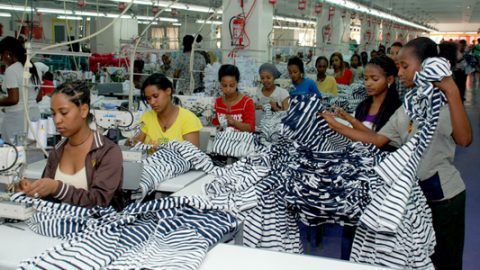
The Kenya Association of Manufacturers reports that textiles and apparel contribute more than seven percent to manufacturing GDP. Within this sector, batik offers a niche that can diversify exports and strengthen Kenya’s creative economy. The revival is therefore not only cultural, it is strategic.
Eco-friendly materials and techniques
Sustainability begins with materials. Kenyan artisans increasingly turn to organic cotton, hemp, and bamboo fabrics, reducing water use and carbon emissions compared to synthetics. Natural dyes such as indigo, turmeric, and hibiscus replace chemical alternatives, cutting pollution and supporting biodiversity.
Louise Sommerlatte, founder and designer of Hamaji, explains: “We repurpose vintage curtains into made-to-order garments. Each piece carries a story of reuse and reinvention, and we want our customers to feel part of that journey.”

Katungulu Mwendwa, the creative force behind Katush, adds: “Our packaging is exclusively made from water hyacinth and brown paper labels handmade by local artisans. Sustainability is not an add-on for us, it is the foundation of our business model.”
Behind the brand: Hamaji
Hamaji, meaning “Nomad” in coastal Swahili, is a luxury ethical bohemian label created around preserving ancient textile traditions and nomadic craftsmanship while empowering small-scale artisans in Africa. Launched in Kenya in 2017 by Louise Neoma Sommerlatte, Hamaji’s collections support artisan families across the country, with a strong focus on female empowerment in rural Kenya.

The brand takes pride in individuality. Each piece is made with care in its workshop on the foothills of Mount Kenya, combining sustainably sourced fibres with upcycled vintage fabrics. Materials are sourced globally, from spice trade markets in the Middle East to nomadic desert festivals in northern Africa, yet the spirit remains distinctly Kenyan.
Louise’s upbringing shaped this vision. Born in Nairobi and raised on the Athi River plains and in the Chyulu Hills, she grew up with a conservationist father and a botanist mother. Her childhood was filled with adventures in nature, sparking her passion for nomadic craftsmanship and designing within her environment. After completing her BA in fashion design at Fedisa in Cape Town, she returned to her family’s farm in Kenya to pursue her career, working closely with local neighbours.

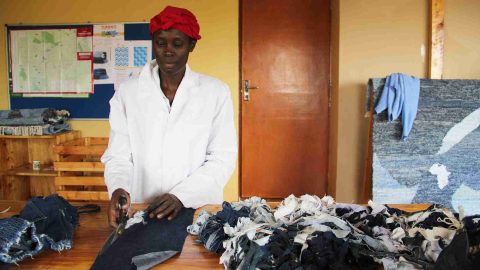
Production is deeply communal. Hamaji collaborates with Mitumba Arts, a collective in Nanyuki consisting of 20 artisans who create items from second-hand clothes sourced at the mitumba market. Profits are shared collectively, reinforcing the cooperative ethos. Embroidery is done by a small group of four artisans in Nairobi’s Ngara slum, where Hamaji encourages creativity and supports their small business.
Louise reflects: “I want each Hamaji piece to be a real treasure to the owner. When they wear this product I want them to feel a harmony of culture run through them, and a symphony of wandering threads each with their own nomadic story and heritage.”
Behind the brand: Katush
Katush is the vision of Katungulu Mwendwa, one of Africa’s most sought-after fashion designers. Her work has graced high-profile fashion events across the world, including New York Fashion Week, where her bold and authentic style stood out in the crowd.

After completing a fashion degree in the UK, she returned home to Kenya, determined to merge her academic knowledge with her personal origins. Out of this fusion, she formed Katush, an everyday leisure and lifestyle brand that designs and makes versatile clothing for both men and women.

Mwendwa explains: “My plan is to evolve while remaining true to the African culture.” Her fashion line borrows heavily from traditional royal African designs, blending heritage with modernity.
Production at Katush reflects this eclectic spirit. Following in her grandmother’s footsteps, she enriches the community by providing work for local artisans who help realise her designs. She draws inspiration from all walks of life, her surroundings in Nairobi, everyday experiences, and the cultural rhythms of Kenyan society.

Her personal reflections reveal the energy behind her work: “I love my work, the people around me and basically my life. It is exciting, scary, unpredictable, beautiful, challenging and a tonne of fun.”
Mwendwa aspires to expand Katush into a lifestyle brand that sources, designs, and makes accessories in collaboration with artisans across Africa. “My plan is to evolve while remaining true to the African culture,” she reiterates, underscoring her vision of celebrating diverse communities through fashion.
She identifies her family as her greatest source of encouragement, while also drawing strength from mentors such as Dr Jacinta Muteshi-Strachan, Mark Stephenson, and Yonas Maru. “This vulnerability is not always interesting, and I have learnt to be open about the challenges I am facing with those who would understand,” she says, highlighting the importance of dialogue and mentorship in sustaining her creative journey.
Community impact and cooperative models
The revival of batik is inseparable from its community dimension. Artisan cooperatives, often led by women, provide jobs in rural areas where formal employment is scarce. Their work strengthens household incomes, supports education, and builds resilience against economic shocks.
In Nairobi’s Central Business District, Delight Technical College sits opposite Jevanjee Gardens, a civic landmark that has long been a gathering place for public life. From this central location, the college trains young designers in tailoring, fashion, and design, embedding sustainability into its curriculum. Its urban setting exposes students to both traditional craft and modern retail dynamics. The college emphasises: “Young designers and fashion entrepreneurs have a key role to play in shaping a more responsible fashion industry. Sustainability is not just a trend, it is a necessity for the future of Kenyan fashion.”

Upcycling initiatives add another layer. Terra Safi, a Nairobi-based collective, demonstrates how discarded textiles and plastics can be transformed into fashion items. As one cooperative leader explains, “Our craft must honour the land as much as it honours our heritage.”
Global resonance and market potential
The global slow fashion market, valued at six billion US dollars in 2024, is expanding as consumers seek authenticity and sustainability. Kenyan batik artisans are well positioned to capture this demand. Their products combine cultural heritage with eco-conscious practices, offering a distinctive value proposition.

The Rummage collective, a group of Kenyan designers, articulates their shared philosophy: “We strive to lower our fashion footprint by embedding low-waste practices into every stage of production. From sourcing to finishing, we are conscious of the impact we leave behind.”

For investors and business leaders, the opportunity is clear. Supporting sustainable batik is not charity, it is strategy. It opens doors to new markets, strengthens supply chains, and builds African brands with global resonance.

Policy and infrastructure alignment
Kenya’s current policy framework, the Bottom-Up Economic Transformation Agenda (BETA), identifies manufacturing, MSMEs, agriculture, housing, healthcare, and the creative economy as priority sectors. BETA’s value chain approach emphasises inclusive growth, job creation, and equitable development. Aligning batik production with these national goals can unlock funding, training, and export opportunities while positioning artisans within Kenya’s broader vision of inclusive growth.
Infrastructure matters too. Access to eco-friendly materials, reliable energy, and efficient logistics determines whether cooperatives can scale. Partnerships with universities and research institutions enhance innovation, particularly in developing new plant-based dyes and sustainable fabrics.
Challenges and pathways forward
Despite its promise, sustainable batik faces challenges. Scaling production while maintaining artisanal quality is complex. Access to finance remains limited, especially for small cooperatives. Global competition from established batik producers in Asia requires Kenyan artisans to differentiate through storytelling, authenticity, and innovation.
Pathways forward include:
- Strengthening cooperative networks to share resources and knowledge.
- Leveraging digital platforms to reach international buyers.
- Building partnerships with fashion houses, NGOs, and government agencies.
- Investing in branding and certification to assure consumers of eco-friendly practices.
A sustainable future rooted in heritage
Kenya’s batik revival illustrates how African business blends tradition with sustainability to create global value. By adopting eco-friendly materials, innovating techniques, and empowering communities, artisans preserve cultural heritage while shaping a sustainable future.
As cultural commentator General Odhiambo observes, “Kenya’s traditional lifestyle has long embodied sustainability. Handmade baskets, clay pots, agroforestry, and garment reuse passed between families inspire today’s conscious consumption and circular fashion.”
For business leaders, policymakers, and investors, the message is clear. Supporting sustainable batik is a strategic choice that aligns with global trends, strengthens local economies, and amplifies African creativity. Reviving batik is not just about art, it is about building a resilient, sustainable, and globally competitive African business landscape.
Sources:
- Kenya Association of Manufacturers, Annual Report 2024
- Ethical Fashion Initiative